- No products in the cart.

Why Choose Lifegard Aquatics Filter Media?

16
Oct
How often should aquarium filter media be cleaned or replaced? Inspect it regularly and service mechanical media before accumulated debris significantly reduces water flow. Replace material that is damaged, loses its fit or structure, or remains clogged after permitted cleaning. Follow product instructions and protect established biological media during maintenance.
There is no single schedule for every aquarium or pond. Fish population, feeding, filter capacity, media density, flow, and organic waste all affect how quickly media needs attention.
7. How often should aquarium filter media be cleaned or replaced?
Use the guide below to recognize maintenance triggers rather than relying on an arbitrary replacement date. Follow the instructions for the particular filter and media you use.
| Filter media | When to clean | When to replace |
|---|---|---|
| Bonded filter pads | Inspect regularly; rinse if permitted when debris begins reducing flow. | When the pad loses structure, tears, or remains difficult to clean. |
| Felt filter pads | Check closely for fine debris buildup; service when flow drops. Fine media may need more frequent attention than coarse pads. | When product instructions require it or cleaning no longer restores adequate flow. |
| AquaMesh / Matala | Remove accumulated sludge as needed; clean gently when preserving biological colonies. | When damaged or unable to fit and function securely after cleaning. |
| Filter socks | Inspect frequently and remove waste before heavy buildup causes restriction or backup. | When fabric, seams, or the mounting section deteriorate, or persistent clogging remains. |
| Sponge media | Gently rinse when debris reduces flow, following the product guidance. | When it crumbles, tears, loses its fit, or remains obstructed after cleaning. |
Important: Do not allow mechanical media to become so clogged that it significantly restricts circulation or causes water to overflow the filtration compartment. Watch for rising water levels, bypass, and reduced output; preserve the equipment's intended overflow route.
Protect established biological filtration
For established sponge or mat media serving a biological role, gently rinse in water removed from the aquarium or pond where appropriate. Avoid detergents and harsh cleaning that can disrupt microbial colonies. Do not replace all mature biological media at once.
After servicing, confirm normal circulation and check water quality. New replacement media needs time to develop a mature biological community; clean-looking water alone does not confirm suitable water chemistry.
Make maintenance easier to follow
- Inspect after changes: Check more closely after adding livestock, changing feeding, or installing finer media.
- Record observations: Note debris buildup and flow changes to establish a useful routine for your own system.
- Remove waste carefully: Keep collected solids from spilling back into the water during servicing.
- Check condition: Reuse only when allowed and while the media remains intact and functions properly.
8. Why choose Lifegard Aquatics filter media?
A small freshwater aquarium, a saltwater reef system, and an outdoor koi pond can have very different filtration needs. Choose media according to the job it needs to perform, the equipment it fits, and the maintenance you can provide.
The Lifegard Aquatics filter media collection includes bonded pads and rolls, felt polishing media, and AquaMesh / Matala mats. Model-specific filter socks and sponge replacements offer additional options elsewhere in the Lifegard range; check their individual compatibility listings.
- Different media structures: Select suitable grades for larger debris or finer suspended particles.
- Pads and rolls: Choose precut formats or cut-to-fit products where specified.
- Complementary filtration roles: Combine particle capture with appropriate established biological media.
- Reusable options: Maintain suitable materials according to their instructions and replace them when their condition requires it.
- Varied applications: Match the individual product to freshwater, saltwater, pond, or water garden equipment.
Choose media for the filtration task
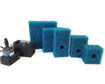
Bonded media supports routine mechanical debris removal. Felt targets finer suspended particles. AquaMesh / Matala offers a rigid structure for particle capture and biological colonization. Filter socks collect waste in removable fabric filters, while sponge media can support mechanical and biological filtration in compatible equipment.
Effective filtration depends on suitable media, proper installation, maintained flow, and regular waste removal. Arrange stages according to your filter's instructions and avoid overpacking compartments with dense material.
Frequently asked questions about aquarium filter media
What is the difference between bonded filter media and felt filter media?
Bonded pads are commonly used for general mechanical filtration. Felt generally provides a denser structure for fine particle capture and water polishing. Compare individual specifications because filtration performance varies by product.
Can I use Lifegard bonded filter media in a saltwater aquarium?
Suitable aquarium-grade bonded media can be used in saltwater filtration. Check the selected product's stated suitability and your filter's requirements before installation.
What is the correct order for AquaMesh / Matala mats?
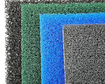
A suggested coarse-to-fine arrangement is black, green, blue, then grey in the direction of flow. Use the grades your system needs and follow the filter manufacturer's layout.
Is AquaMesh / Matala mechanical or biological media?
It can support both. Its structure collects suspended debris and provides surfaces for microbial growth. Biological performance depends on established colonies, adequate oxygen, suitable flow, and water conditions.
Can aquarium filter pads be cut to size?
Many pads and bulk rolls are designed to be trimmed. Check the product instructions, measure the compartment, and avoid gaps or excessive compression. Model-specific cartridges and sponges may require an exact replacement.
Which media is best for clear aquarium water?
Felt and appropriately rated filter socks can help remove fine suspended particles. Suitable coarse filtration upstream can reduce their debris load. Persistent cloudiness can have other causes, so also check water quality and system conditions.
How often should filter media be replaced?
Follow the product instructions and judge its condition, fit, and flow. Replace damaged material or media that stays clogged after permitted cleaning. Many sponges and mats can be reused; fine media may need more frequent servicing.
Should I replace all biological filter media at once?
Avoid replacing all established biological media simultaneously during routine maintenance. Retain mature media where practical and monitor water quality as replacements become established.
Find filter media for your aquarium or pond
Compare available formats and specifications, then choose compatible media for your filtration and maintenance needs.
Shop Lifegard Aquatics Filter Media