- No products in the cart.

Comparing Lifegard Aquatics Filter Media: Which Is Right for You?

16
Oct
Which aquarium filter media should you choose? Choose bonded pads for general debris capture, felt for fine particle polishing, and compatible filter socks for removable waste collection at a sump inlet. Sponge media and AquaMesh / Matala can support both mechanical filtration and beneficial bacteria. The right combination depends on filter compatibility, flow, debris load, and maintenance access.
Compare options in the Lifegard Aquatics filter media collection and check each product's specifications before purchasing.
Filter media comparison at a glance
Different materials perform different jobs. Use this comparison to identify a suitable filtration role, then confirm the selected product fits your equipment.
On smaller screens, scroll horizontally inside the table to compare all four columns.
| Filter media | Primary function | Key advantage | Common compatible applications |
|---|---|---|---|
| Bonded filter media | Mechanical filtration | Structured pads for debris capture with cut-to-fit flexibility | Aquariums, sumps, wet/dry filters |
| Felt filter media | Fine mechanical filtration | Captures fine suspended particles for water polishing | Polishing stages and sump filtration |
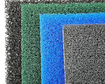
| AquaMesh / Matala | Mechanical filtration and biological support | Rigid, reusable mats with different densities for progressive filtration | Koi pond chambers, water gardens, suitably designed aquaculture systems |
| Filter socks | Mechanical filtration | Removable collection of suspended waste | Compatible sump inlets, overflow filtration, model-specific filter compartments |
| Sponge filters / media | Mechanical filtration and biological support | Reusable porous media with colonization surfaces | Freshwater tanks, breeding systems, compatible canisters and biological chambers |
Choose media according to the job
For routine suspended debris: bonded filter pads
Bonded pads offer a structured mechanical layer that can be trimmed where the product allows. Choose the density and size to suit the filter's flow path, and clean or replace the pad before accumulated waste restricts flow.
For fine particle polishing: felt media
Felt provides a denser mechanical stage for fine debris. Use suitable coarse filtration ahead of it where your system allows. Fine media can need frequent attention, especially when the water contains a heavy particle load.
For staged pond filtration: AquaMesh / Matala
Rigid mats can collect particles while providing surfaces for beneficial bacteria. Different densities allow a progressive arrangement. Select grades and chamber dimensions as part of the complete filter design.
For convenient waste removal: filter socks
A correctly fitted sock collects waste in a removable fabric filter. Check the holder, opening, length, and filtration grade. Some replacement socks are intended for particular aquarium models and will not fit a separate sump holder.
For reusable mechanical and biological support: sponge media
Sponge media works inside compatible filters; a complete sponge filter also includes an assembly that draws water through it. Gentle flow depends on the equipment and setup. Model-specific replacement sponges should be matched to their listed aquarium or filter.
Can different filter media be used together?
Yes. Complementary materials can divide the filtration workload. A coarse stage intercepts larger waste, a finer stage collects smaller particles, and established biological media supports microbial processing of nitrogen waste.
You do not need every type in one system. Adding too much dense material can restrict flow, complicate maintenance, or encourage water to bypass the media. Follow the equipment manufacturer's layout.
A practical guide to combining filtration stages
- Coarse mechanical capture: Use a suitable coarse sponge, bonded pad, or open-structure mat to intercept larger debris.
- Intermediate mechanical capture, if needed: Add a compatible medium-density pad or mat when the system benefits from another stage.
- Fine mechanical filtration, if needed: Use suitable felt or another finer medium to polish suspended particles. A sump filter sock normally stays in its designated inlet holder; its location follows the sump design rather than this generic list.
- Established biological filtration: Provide suitable sponge, mat, or dedicated biological media with adequate oxygen and flow. Upstream mechanical capture helps reduce solids accumulation.
- Optional chemical filtration: Use carbon or specialized media for a defined purpose, following product instructions for placement, flow, and replacement.
This is a planning guide, not a universal plumbing sequence. Some media perform more than one role, and chemical media placement varies by system. Maintain the specified flow path and check operation after any change.
Maintenance matters as much as media choice
- Remove collected solids: Mechanical media holds waste until it is cleaned or replaced.
- Watch water flow: Rising water levels, bypass, or reduced flow can indicate loading or an unsuitable fit.
- Protect established biological media: Rinse gently in removed aquarium or pond water where appropriate and avoid replacing all mature biological media at once.
- Monitor water quality: New media needs time to develop a mature biological community. Clear-looking water alone does not establish that water quality is suitable.
Frequently asked questions
Is there one best filter medium for every aquarium?
No. Choose according to your filtration goal, equipment compatibility, livestock, flow, and maintenance capacity. Many systems benefit from complementary mechanical and biological stages.
What is the difference between bonded and felt filter media?
Bonded media is commonly used for general mechanical debris capture, while felt is often selected for finer particle polishing. Actual performance depends on the individual product's density and specifications.
Can I use sponge media and felt together?
Yes, if your filter supports the combination. A suitable coarse sponge can catch larger debris before water reaches felt. Keep adequate flow and service both as required.
Does biological media need mechanical filtration first?
Suitable upstream mechanical filtration helps limit solids reaching biological media. However, materials such as sponges and mats can perform both roles. Follow the filter's design and maintain sufficient oxygen and flow.
Will adding finer media always improve filtration?
No. Finer media can capture smaller suspended particles, but excessive resistance can reduce flow. Match the grade to your equipment and maintain it before it becomes obstructed.
Where can I compare Lifegard Aquatics filter media?
Visit the Lifegard Aquatics filter media category to review listed products, sizes, and current availability. Check model-specific replacement listings for socks and sponges.
Find filter media for your aquarium or pond
Start with your filtration goal, measure the available space, and compare compatible media for the job.
Shop Lifegard Aquatics Filter Media